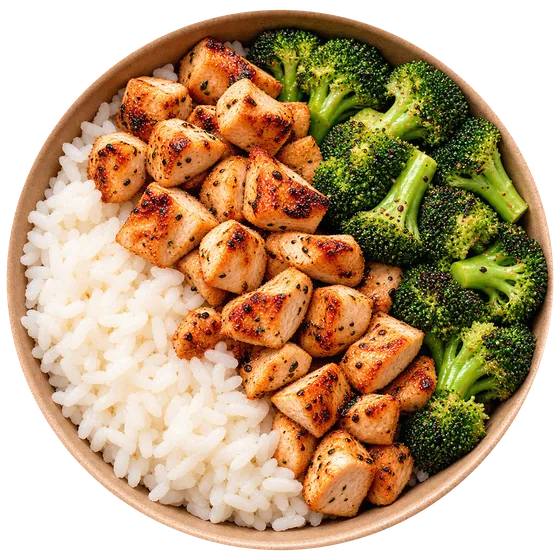
Muay Thai diet: what to eat when you train like a fighter
Muay Thai camps in Bangkok and around Thailand often run two sessions a day: running, pad work, bag work, clinching and sparring, in the heat. That's a huge amount of energy, and many people who come to train either under-eat and burn out, or lose muscle instead of fat. Here's how to eat for it.
1. You probably need more food than you think
Two hard sessions a day can easily burn 800 to 1,500 extra calories, depending on your weight and intensity. If you keep eating like an office worker, you'll feel flat by day four, your sparring gets sloppy and injuries become more likely.
Signs you're under-eating:
- You feel heavy-legged and weak in the second session.
- You're always hungry at night, or can't sleep well.
- Your weight drops fast in the first week.
2. Carbs are your fuel
Carbohydrates are the main fuel for high-intensity work like rounds on the bag. Sports nutrition guidelines suggest:
- About 5 to 7 g of carbs per kg of body weight per day for around an hour of moderate to hard training.
- About 6 to 10 g per kg for one to three hours of hard training a day, which is typical in a camp.
For a 70 kg person training twice a day, that's roughly 400 to 600 g of carbs a day: rice, sticky rice, noodles, fruit, potatoes, bread.
3. Protein to recover and keep muscle
Aim for about 1.6 to 2.0 g of protein per kg of body weight per day, spread over 3 to 5 meals of 25 to 40 g. Chicken, fish, eggs, pork, beef and tofu all work. Thai food makes this easy if you add an extra portion of meat or an egg.
4. A camp day, meal by meal
- Before the morning run (6:00): something small: a banana, toast or a small yogurt.
- After the morning session (9:00): a big breakfast: rice or eggs, fruit, and 30 to 40 g of protein.
- Lunch (12:30): a full meal with rice and protein, then rest.
- Snack before the afternoon session (15:00): fruit, a protein snack, or a smaller rice dish.
- Dinner after training (19:00): protein, a big portion of carbs, vegetables, and some salt to replace sweat.
5. Hydration is part of your diet
You can lose 1 to 2 litres of sweat per hour in Thai heat. Weigh yourself before and after training for a few days to see how much you lose, and drink to replace it, with salt or electrolytes on hard days. More in our hydration guide for training in the heat.
6. Be careful with weight cuts
If you're fighting, you'll hear about cutting several kilos in the last days through sauna and dehydration. Big rapid cuts are risky and usually hurt performance. If you need to make weight:
- Lose most of it slowly over weeks through a moderate calorie deficit, keeping protein high.
- Keep any final water cut small, and work with your coach.
- Rehydrate and eat carbs properly after the weigh-in.
Make eating the easy part
The hardest part of a training camp is often finding enough good food between sessions. Athleat delivers ready meals with 35 to 45 g of protein and the carbs listed on every box, so you can eat a real meal between sessions instead of whatever is nearby. For two sessions a day, the 3 or 4 meals a day weekly plan is usually the right size. Not sure how much to eat? Try the macro calculator.
This article is general information, not medical advice. Talk to a doctor or sports dietitian before a weight cut.