How much protein do you really need to build muscle?
If you train and want to build muscle, protein is the nutrient that matters most after total calories. The good news: you don't need to guess, and you don't need extreme amounts.
The number to aim for
Research on people doing resistance training points to a clear range. A large 2018 meta-analysis in the British Journal of Sports Medicine found that muscle gains kept improving up to about 1.6 g of protein per kg of body weight per day, and levelled off after that. The International Society of Sports Nutrition recommends 1.4 to 2.0 g/kg per day for people who exercise.
For a 75 kg person, that's roughly 105 to 150 g of protein a day.
Spread it across the day
How you split it matters too. The same society suggests about 20 to 40 g of protein per meal, every 3 to 4 hours. In practice:
- 3 meals of 35 to 45 g each, or
- 4 smaller meals of 25 to 35 g each.
Eating most of your protein in one big dinner works less well than spreading it out.
What 40 g of protein looks like
- About 150 g of cooked chicken breast
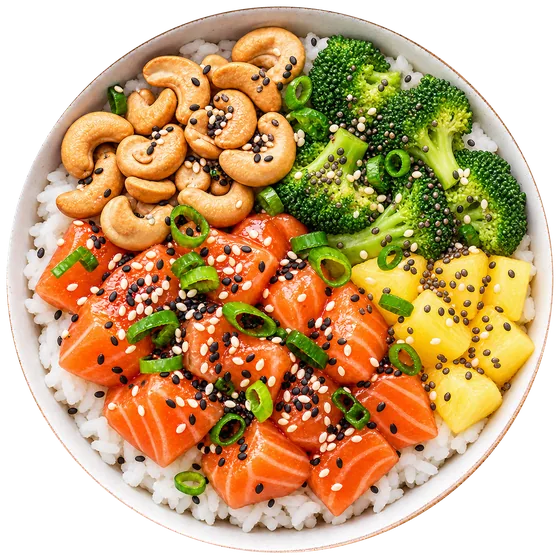
- About 170 g of salmon or tuna
- 5 to 6 eggs
- About 300 g of firm tofu
This is where meal prep helps: if every box already contains 30 to 45 g of protein, you hit your target without weighing anything. Every Athleat meal lists its protein, carbs, fat and calories, so two or three boxes a day cover most people's needs.
When you're cutting
When you eat fewer calories to lose fat, your body is more likely to lose muscle too. Studies on trained people suggest keeping protein high, at the top of the range or above, while dieting. Protein also keeps you fuller for longer, which makes a calorie deficit easier to stick to.
Quick checklist
- Aim for 1.6 g per kg of body weight per day (1.4 to 2.0 is fine).
- 20 to 40 g per meal, 3 to 4 times a day.
- Keep protein high when you're cutting.
- Choose whole foods first: meat, fish, eggs, tofu, beans.
This article is general information, not medical advice. If you have a health condition, talk to your doctor or a registered dietitian before changing your diet.